Hi, I'm Chris — a lead product designer focused on complex systems and structured domains.
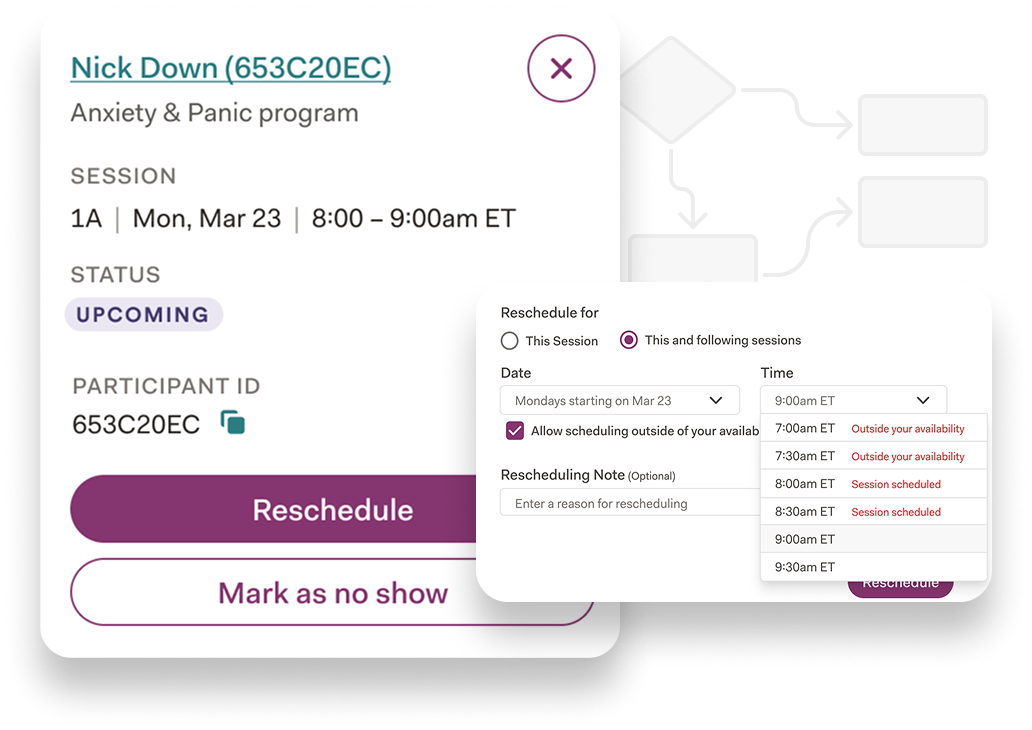
Six user types, one scheduling service
Owned the shared scheduling layer across three products and six roles during a Salesforce migration, mapping the full service and making downstream conflicts visible so therapists could trust the system.
65% decrease in customer support calls across three product verticals
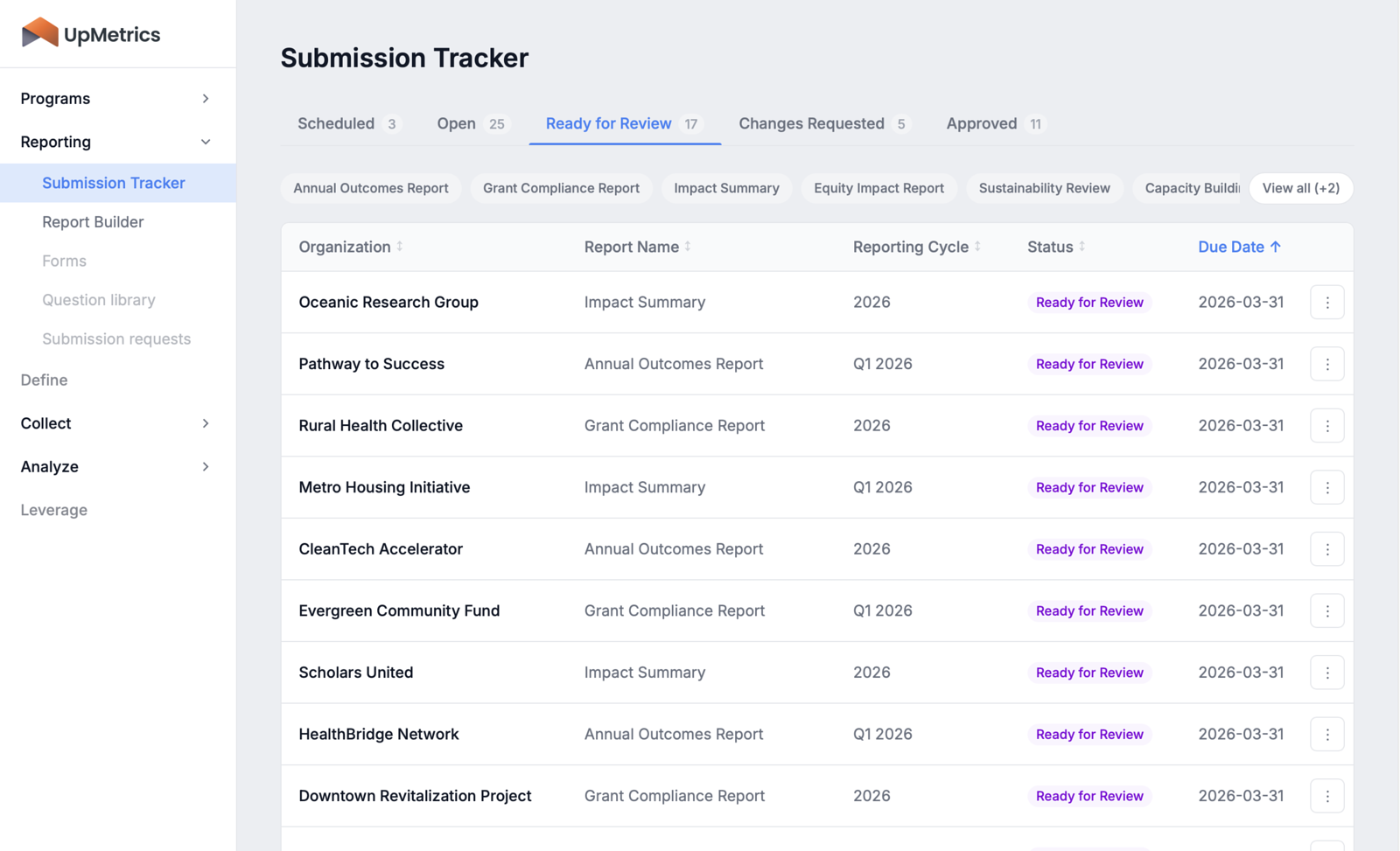
The first reporting tool built for impact, not generic forms
Led a reset of a misaligned v1 — redefining the object model and workflows for funders and grantees under tight delivery pressure.
150% increase in the solution engineering team's output — more structured submissions, fewer bespoke data workarounds.
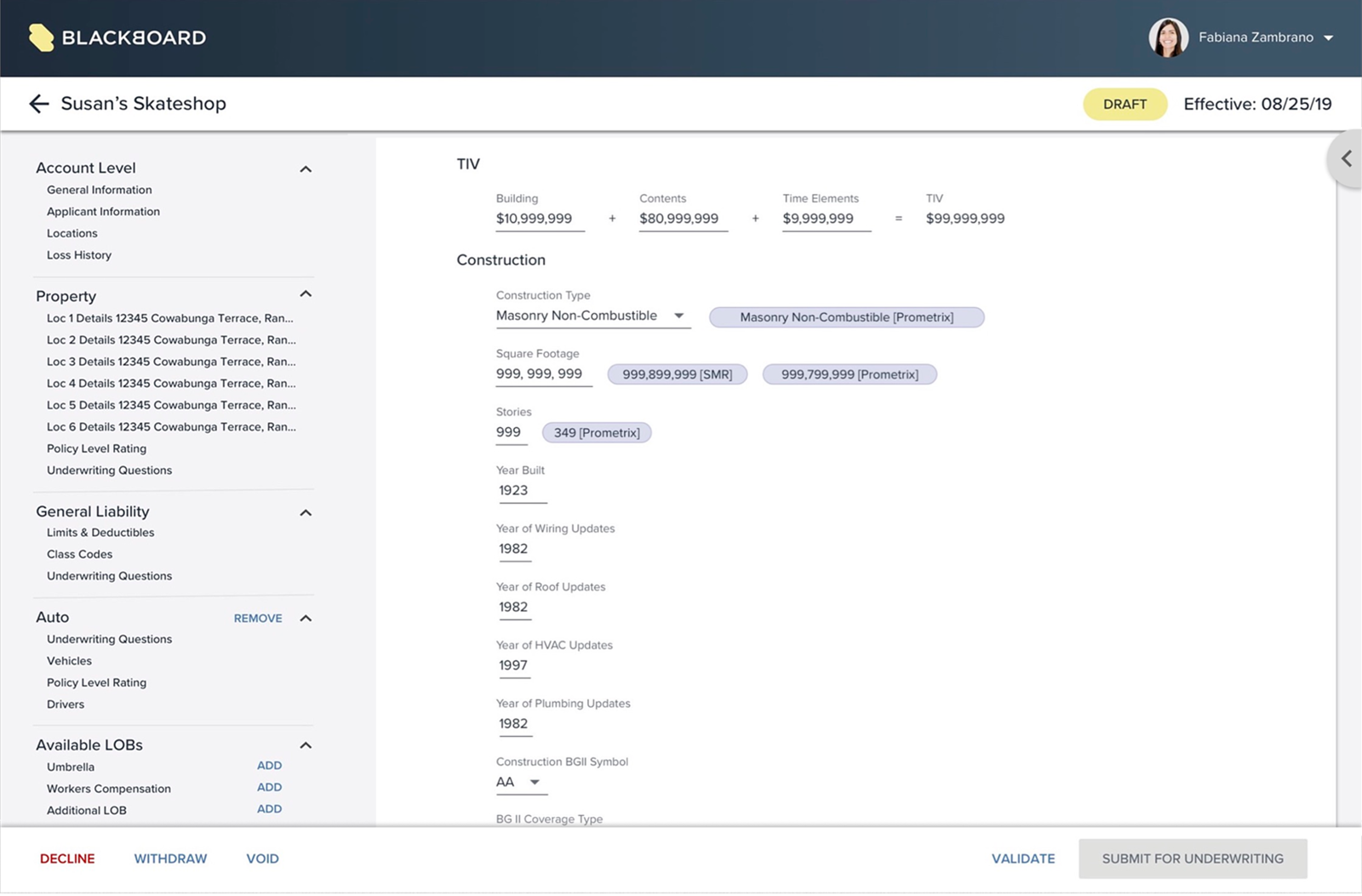
300 fields, four data sources, three browser tabs
Led research and redesign of a 100-300 field underwriting tool, restructuring navigation and defining an inline data-chip pattern so operators could work across four external data sources without getting lost.
Nearly 2x applications completed per underwriter per day, with 2.3x throughput on complex multi-location accounts.
Great products come from great partnerships.
I invest early in the relationships — with PMs, engineers, and the designers I mentor through critiques and pairing — because I've learned that the quality of the collaboration and the quality of the work are the same thing. I work best in small teams, whether that's a small company or a small team inside a larger one.
HOW I WORK
- Upstream first: I start with flows, decisions, and data structures so the team can see and argue with the mental model before we touch screens.
- Prototype the future, then work backwards: I make the longer-term vision tangible quickly — often with AI-accelerated prototypes — then strip scope until there's something small enough to ship now that still points clearly to what comes next.
- Sequence as a design decision: I solve structural problems before feature work, so later decisions happen inside a system that can actually hold them.
- Tight, cross-functional loops: I work as a partner to PM and engineering from discovery through delivery, making tradeoffs explicit instead of implicit so the whole team can own the outcome.
HOW I LEAD
- I operate in a player-coach mode: owning design strategy for a problem area while staying close enough to the work to unblock implementation.
- I set the standards — patterns, systems, and critique rituals — that other designers can use to hold more of the problem themselves.
- I've grown designers from mid-level to senior by pairing on complex projects, running structured critiques, and giving them clear ownership, not just tasks.